
Lawn Fertilization & Weed Control Programs for Hartford
Seasonal fertilization and weed control programs designed for Hartford's Zone 6b cool-season lawns.
What's Included in Our Lawn Fertilization & Weed Control in Hartford Service
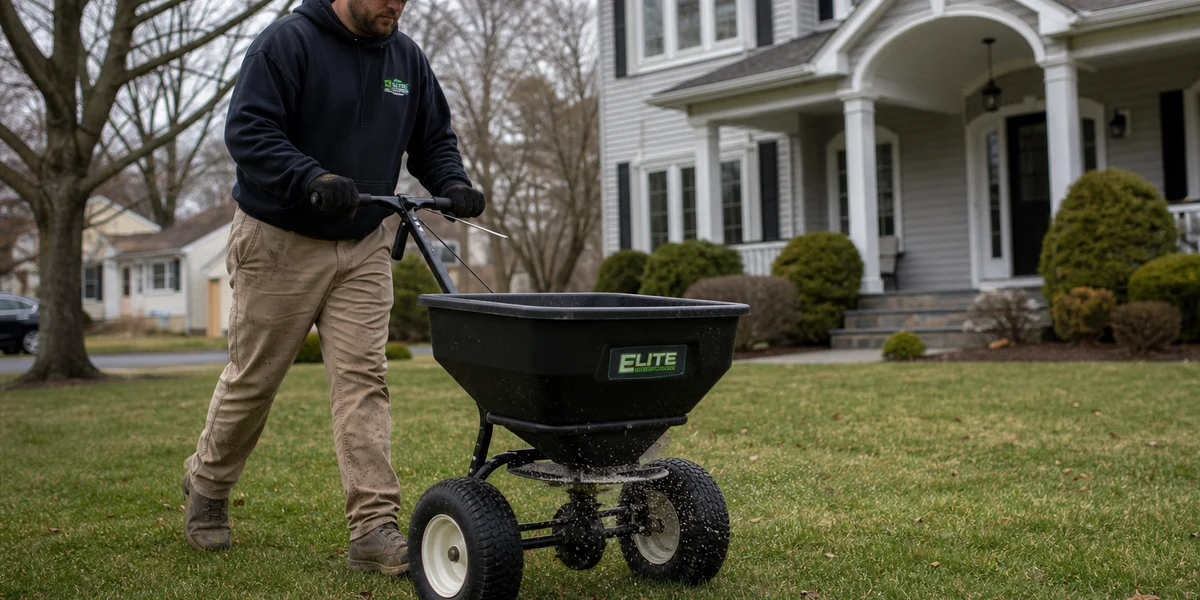
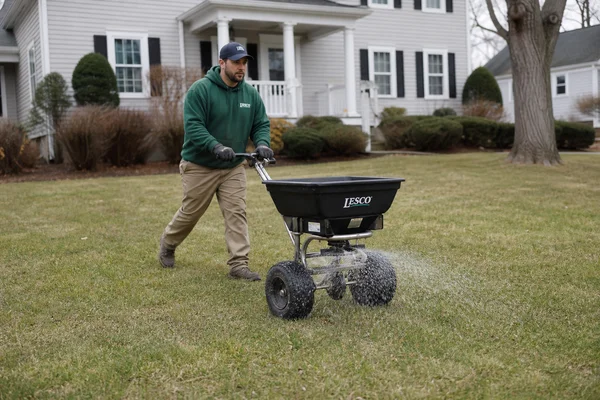
A four- to five-step seasonal program that feeds your lawn at the right time for Hartford County's cool-season grasses. Pre-emergent crabgrass control, slow-release summer feeds, fall nutrition, and winterizer applications are timed to Zone 6b weather windows. Organic, synthetic, and hybrid programs available.
Hartford County lawns are almost entirely cool-season grasses, primarily Kentucky Bluegrass and Tall Fescue. These species thrive in spring and fall but take a beating during the hot, humid summers and freezing winters that define Central Connecticut’s climate.
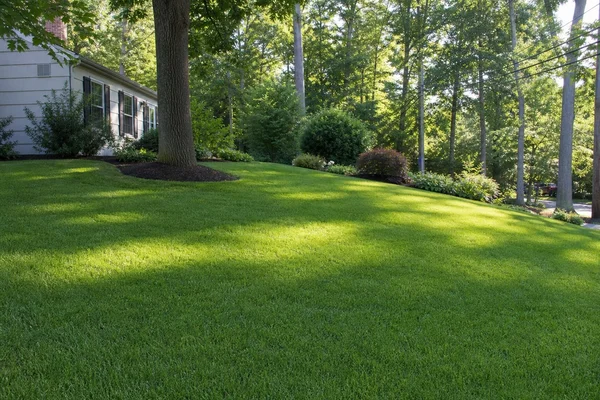
A structured fertilization program feeds the lawn when it can actually use the nutrients and blocks weeds before they establish. The timing has to match Zone 6b soil temperatures, not a generic national calendar. Getting this right is the difference between a lawn that struggles and one that crowds out weeds on its own.
How Hartford’s Soil Affects Your Lawn
Before any product goes on the ground, soil pH needs to be checked. Hartford County sits in the Connecticut River Valley, where clay-heavy soils tend to run acidic. When soil pH drops below 6.0, grass roots cannot efficiently absorb the nitrogen, phosphorus, and potassium being applied. You end up paying for fertilizer that the lawn cannot use.
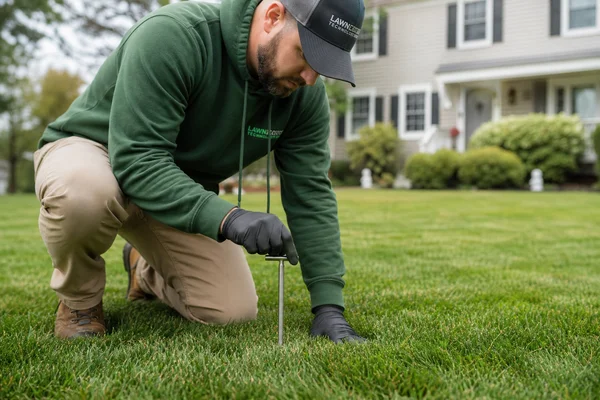
We test pH during the initial lawn assessment and recommend lime applications as needed to bring the soil back into the 6.2 to 6.8 range where cool-season grasses perform best. The UConn Extension program in West Hartford provides lab analysis when a deeper soil profile is needed.
Connecticut law also shapes how we treat your yard. The CT Department of Energy and Environmental Protection prohibits applying phosphorus to established lawns unless a soil test shows a documented deficiency. We follow this regulation strictly and use phosphorus-free formulations as our default.
The Five-Step Program
Most properties in the area perform best on a five-step annual program. Each application is timed to a specific growth stage, not a calendar date.
- Late March to Mid-April: Pre-emergent herbicide combined with the first nitrogen feed. This is the most time-sensitive application of the year. The pre-emergent must go down before soil temperatures reach 55 degrees, which is roughly when the forsythia bushes bloom yellow across the city. Miss this window and crabgrass seeds germinate before the barrier is in place.
- Late May to Early June: Second nitrogen feed to support the rapid spring growth flush. This application thickens the turf canopy heading into summer.
- July: Slow-release nitrogen formula that feeds gradually without burning during the hot, dry stretches Central Connecticut typically sees in midsummer.
- September: The most important feed of the year for root development. Fall nitrogen drives root growth that helps the lawn survive winter and green up faster the following spring. Lime is applied at this stage if the pH test indicated the need.
- November: Winterizer application that loads the root system with nutrients before the ground freezes. This stored energy is what gives the lawn an early start in spring.
Choosing Between Synthetic, Organic, and Hybrid
The program type depends on your priorities. All three options follow the same five-step timing, but the products and speed of results differ.
| Program Type | Speed of Results | Cost Profile | Best Fit |
|---|---|---|---|
| Synthetic | Fast | Most cost-effective | Rapid green-up, severe weed pressure |
| Organic | Gradual | Higher initial investment | Pet owners, families with young children |
| Hybrid | Medium | Moderate | Balanced approach to aesthetics and soil health |
Synthetic programs use specific nitrogen and potassium ratios to produce visible greening within days. They are the most cost-effective option and the best choice for lawns that need aggressive recovery.
Organic programs avoid synthetic chemicals entirely. Results build more slowly, but long-term soil biology improves significantly. A 2025 Connecticut law banned fertilizers containing biosolids due to PFAS contamination concerns. Our organic formulations use plant-based alternatives like corn gluten meal that comply fully with current regulations.
Hybrid programs combine organic base fertilizers with targeted synthetic weed control. This gives you the soil health benefits of organics while still addressing active weed problems with effective chemistry.
Why Mowing and Fertilization Work Together
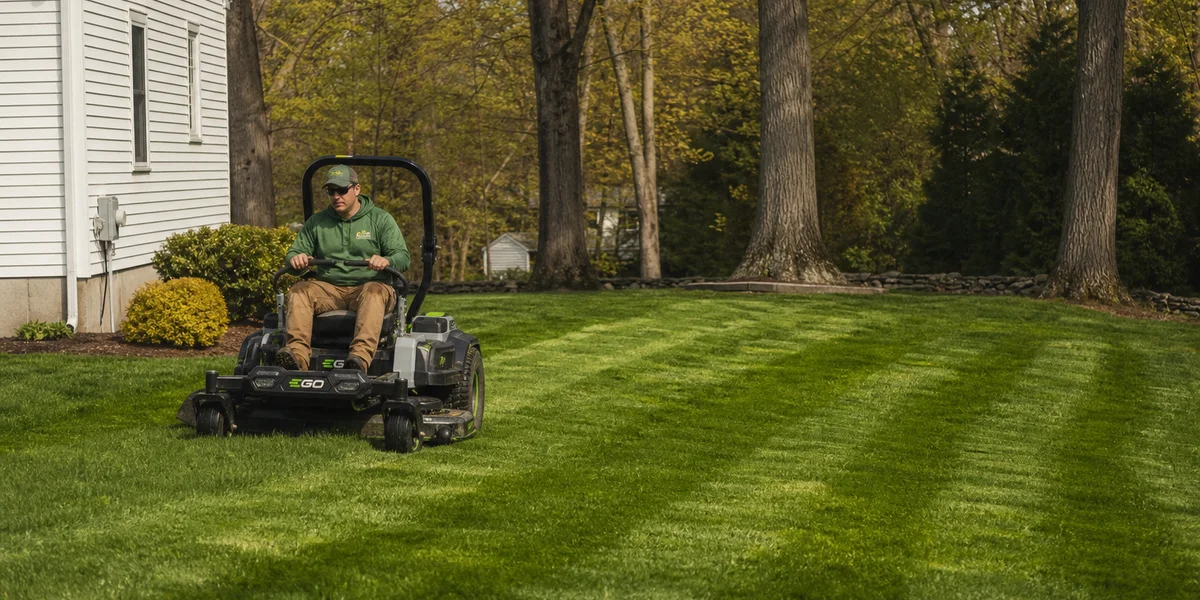
Proper mowing height directly affects how well a fertilization program performs. Cool-season grasses in this region should be maintained at 3 to 4 inches through the growing season. At this height, the grass canopy shades the soil surface, conserves moisture, and physically blocks sunlight from reaching weed seeds.
When you bundle fertilization with a weekly mowing contract, we coordinate the schedule so that applications go down at the optimal point in the growth cycle. Mower deck height is adjusted before each application to maximize product contact with the soil. This pairing consistently produces thicker turf and fewer weed breakthroughs compared to standalone fertilization.
A bundled contract typically reduces your overall cost by 10 to 15 percent versus paying for each service separately.
Common Fertilization Mistakes to Avoid
Fertilization seems straightforward, but the details matter more than most people realize. These are the patterns we correct most often when taking over a lawn from a previous provider or a DIY program:
- Applying too early in spring. Product applied before the soil warms up simply washes away with snowmelt and spring rain. It wastes money and risks nutrient runoff into local waterways.
- Skipping the fall feed. Many homeowners stop fertilizing after summer. The September application is actually the single most important feed of the year for root strength heading into winter.
- Ignoring soil pH. Fertilizer applied to overly acidic soil delivers a fraction of its potential benefit. Lime is inexpensive and makes every other product work harder.
- Mowing too short. Scalping the lawn to 2 inches exposes the soil to sunlight and heat, which is exactly what crabgrass and broadleaf weeds need to establish.
Getting Started
We begin every fertilization relationship with a free lawn assessment. We check turf condition, soil pH, weed pressure, and shade patterns, then recommend the program that fits your property and your family’s priorities.
We serve Hartford and surrounding towns including Newington, West Hartford, Wethersfield, Glastonbury, and Rocky Hill. Reach out to schedule your assessment and get the first application on the calendar.
What's Included
- Spring pre-emergent + early-season feed
- Summer feed (slow-release nitrogen)
- Fall feed + lime application
- Winterizer for root development
- Organic, synthetic, and hybrid options
Why Hartford County Chooses Us for Fertilization
Timed for Zone 6b
Fertilization timing makes or breaks results in Connecticut. Applications go down when the soil temperature and grass growth stage are right, not on a generic calendar.
Hartford County Soil Knowledge
Local clay soils run acidic. We test pH and lime as needed to keep nutrient uptake working properly.
Organic Programs Available
Families with pets, children, or environmental priorities can choose a fully organic program that delivers real results.
Pairs With Mowing
Bundling fertilization with a weekly mowing contract improves results and saves on overall pricing.
The Fertilization Process
Lawn Assessment
Soil pH check and visual assessment to pick the right program.
Program Selection
Synthetic, organic, or hybrid — fit to results goals and family priorities.
Timed Applications
4–5 applications across the year, timed for Zone 6b weather windows.
Mid-Season Check
We re-evaluate progress and adjust the program as needed.
Ready for a free written estimate?
We visit the property, assess the scope, and email you a fixed-price quote within 24-48 hours.
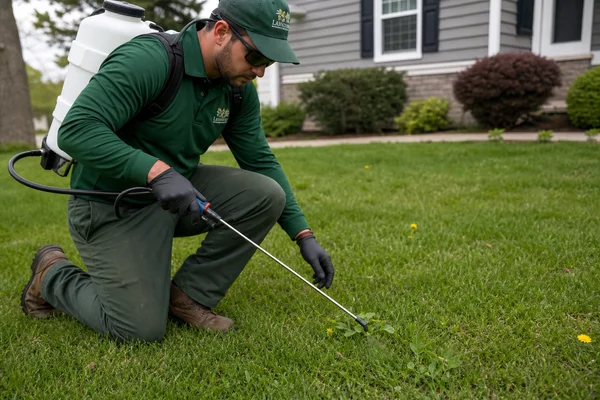
Fertilization Project Gallery
Try Our Lawn Care Calculator
Estimate fertilizer quantities and annual program costs for your lawn.
Hartford County Customers on Our Fertilization
"Two full seasons on the fertilization program and the difference is dramatic. No more bare patches near the driveway and the crabgrass is finally under control. Worth every dollar."
Rachel G.
Wethersfield
"We chose the organic program because of our dogs. The lawn filled in noticeably thicker by midsummer. Glad we made the switch."
Brian H.
West End
Fertilization FAQs
How many fertilization applications does a Hartford lawn need per year?
When should fertilization start in Hartford?
Are your products safe for pets and children?
Does fertilization actually help with crabgrass?
Do I need to mow before a fertilization visit?
Fertilization Guides
In-depth answers to the most common questions about fertilization in Hartford County.
Related Services
Ready to Book Fertilization?
Free written estimate within 24–48 hours. Fixed pricing, no surprises.